
A Life-Saver of a Loan
September 1, 2022
Kiwanjani Village, in Isiolo County, has been facing major challenges due to drug abuse that largely affects the lives of young people and mothers who live in this area. The area is mainly known as a place where immoral and criminal activities take place, which disintegrates many families and causes a lot of school dropouts. Many young people involve themselves in criminal activities such as theft, selling marijuana, chang’aa brewing, and commercial sex work.
The area is largely dominated by people with minimal income, and there is no major economic activity taking place to boost their lives in this area. GHNI took the initiative, through Transformational Community Development (TCD), to start a Village Savings and Loan Association (VSLA) to help them save the little they have while teaching them to loan among themselves. This really transformed the lives of the mothers and young people in this area.
Two positive impacts of the VSLA initiative are people embracing change and saving their culture. This also helped several families to be able to pay their children’s school fees and be able to start small-scale businesses like salons and selling second-hand clothes and vegetables as an alternative income.
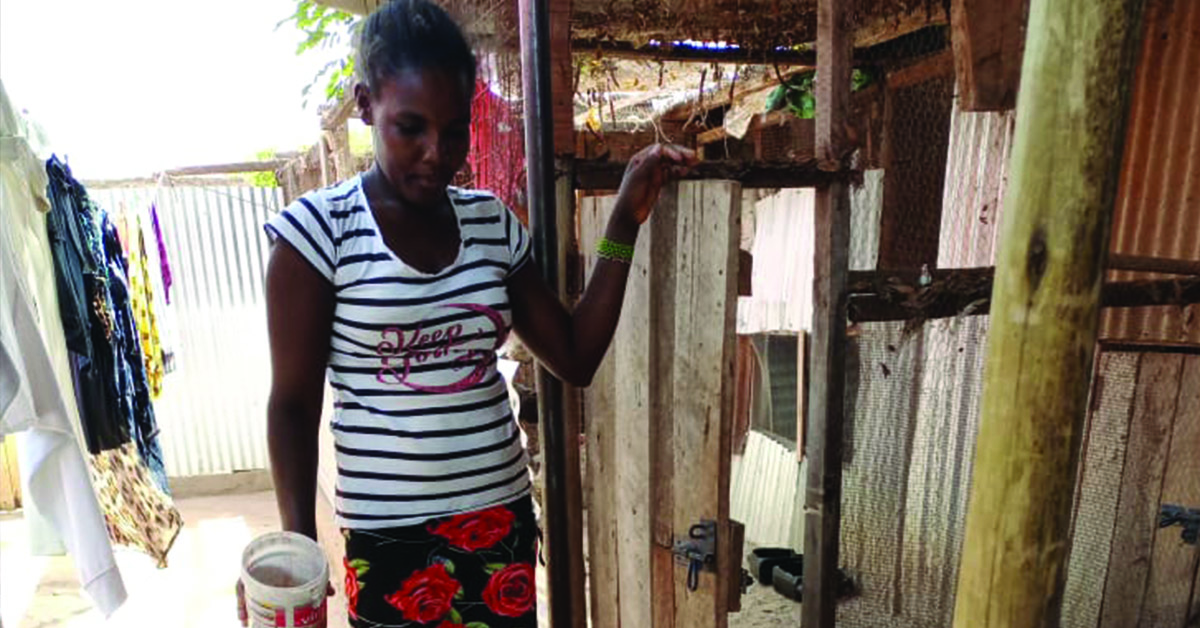
Angelina is one of the beneficiaries of this type of help. Angelina took a loan and, with it, started a small-scale chicken farm. Later on, she started selling eggs and chickens within the Kiwanjani area.
Thank you!
Written By: Dika
GHNI TCD Worker
Latest Stories from Africa

Meeting Psychological and Social Needs
Learning to speak kindly and invest in others emotional needs can lead to deep understanding and a tight-knit family.
These Children Have a Future!
In a community that struggles with extreme poverty, child drug abuse, and abuse, TCD has become a practical resource for counseling, safety, and rehabilitation… and the transformation is tangible!
Two Villagers Spark a Community Movement
After witnessing two villagers succeed in farming, the entire Attir community switched from pastoralism to farming and learned how to use local resources to sustain their living.